The Hidden Link Between Disability and Mental Health
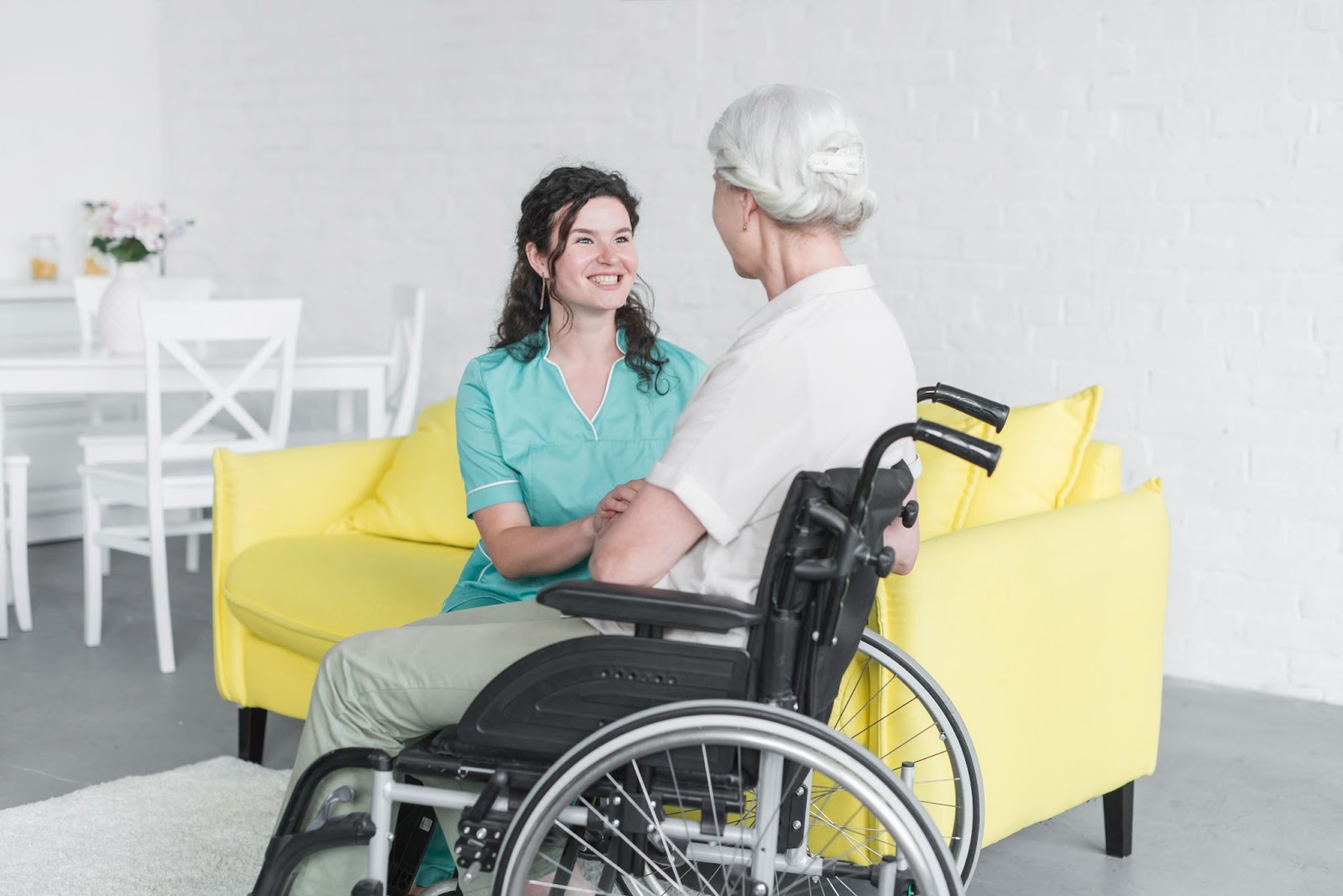
Living with disability often involves more than just managing physical challenges; mental health plays a critical but frequently overlooked role in overall wellbeing. The emotional and psychological impact of disability can affect motivation, social connection, and quality of life, making integrated care essential. At AHP Disability and Home Care, we believe in a holistic approach that combines disability and mental health care, ensuring clients receive comprehensive assistance to live with greater independence and resilience.
Living with disability often means facing physical challenges, but what is frequently overlooked is the complex impact on mental health. The connection between disability and mental health is significant yet under-discussed, leaving many individuals and their families struggling without adequate support. At AHP Disability and Home Care, we understand that addressing both physical and psychological needs is essential for true well-being. Our approach focuses on holistic disability care that integrates mental health support alongside physical therapy and daily assistance.
In this article, we’ll explore the common mental health challenges faced by people with disabilities, why combining physical and psychological care matters, and how our team supports clients and their carers to improve overall quality of life. We’ll also share practical advice for families and carers to recognise when mental health support is needed.
The Mental Health Challenges of Living with Disability
Living with a disability can profoundly affect a person’s mental health, often creating emotional and psychological hurdles that go beyond physical limitations. It’s common for individuals to experience feelings of anxiety, depression, social isolation, frustration, and grief related to the loss of independence or changes in lifestyle. These challenges directly influence disability and mental well-being, impacting motivation, social connections, and overall health.
Research on disability and mental health shows that people with disabilities are more vulnerable to mental health conditions. This is often due to ongoing stress, societal stigma, and reduced access to appropriate care. For instance, the emotional toll of managing daily tasks, coping with pain, or navigating barriers in the community can exacerbate psychological distress. This makes it crucial to provide not just physical support but comprehensive mental health disability support tailored to individual needs.
Why Holistic Disability Care Matters
A truly effective disability care approach does not separate the mind from the body. Holistic disability care recognises that mental and physical health are deeply intertwined, and improvements in one area can positively influence the other. When mental health support is integrated into disability services, clients experience better outcomes. Improved mobility, greater independence, and enhanced overall well-being can me mentioned here.
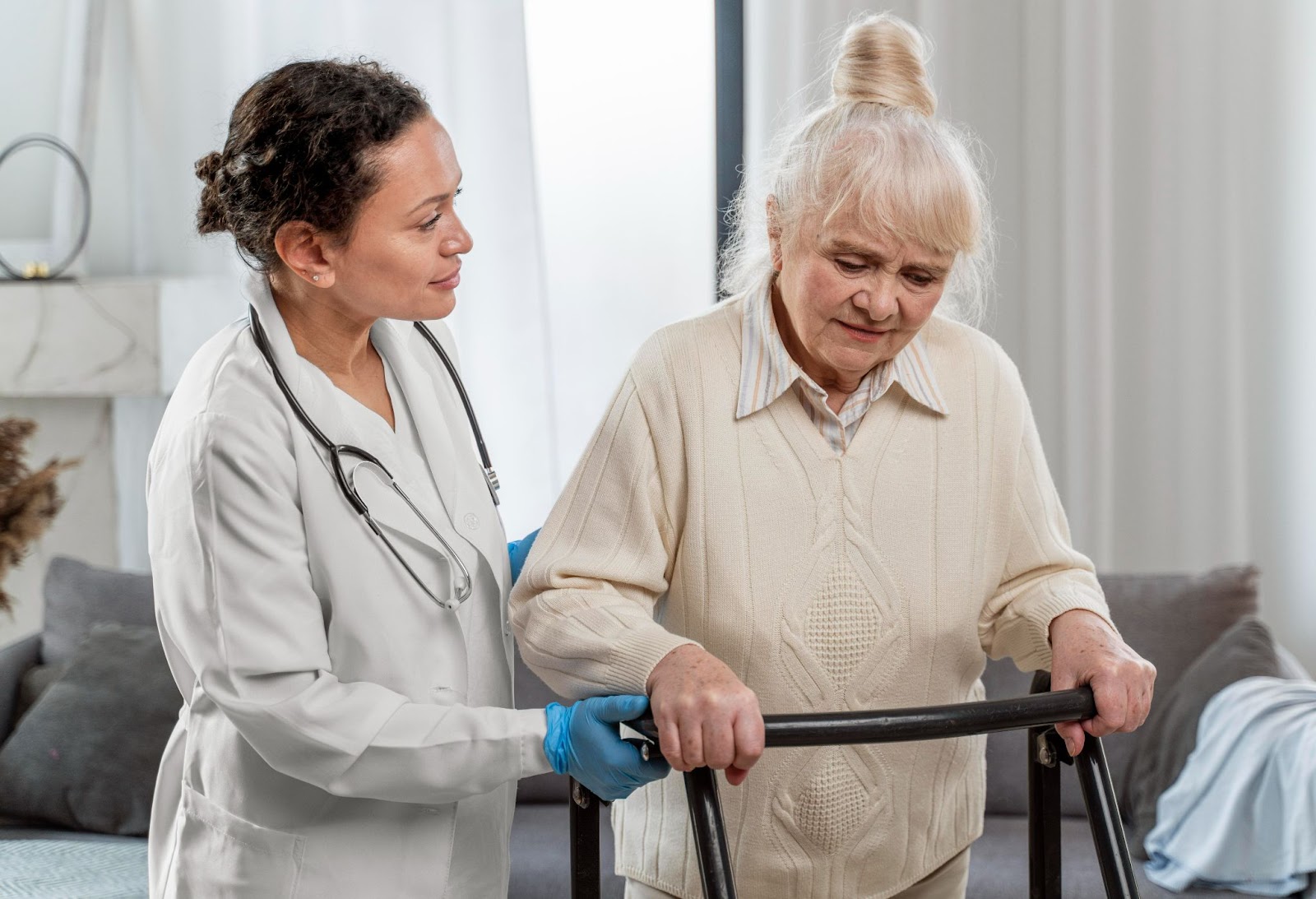
At AHP Disability and Home Care, our multidisciplinary team, which includes physiotherapists, occupational therapists, dietitians, and psychologists, works collaboratively to deliver this integrated care. By addressing psychological challenges alongside physical rehabilitation, our clients benefit from a seamless support system that promotes resilience and confidence.
The role of mental health disability support in holistic care is vital. This support may include counselling, coping strategies, stress management, and building social connections, all personalised to each client’s unique circumstances. This approach reduces the risk of mental health issues worsening and helps individuals maintain a more balanced and fulfilling life.
AHP’s Client-Centred Approach to Psychological Care for Disability
At AHP Disability and Home Care, we put clients at the centre of everything we do. We recognise that every individual’s experience of disability is different, and so is their journey with mental health. Our team works closely with clients, their families, and carers to develop personalised care plans that address both physical and psychological needs.
Our allied health professionals provide ongoing psychological care for individuals with disabilities. This includes regular mental health assessments and adjustments to support plans as required. This may involve referrals to specialist mental health services, incorporating relaxation techniques, or helping clients build skills to manage stress and anxiety.
We also understand the importance of collaboration with carers. Providing mental health support for carers is a key part of our service, acknowledging the emotional and physical strain they may face. Carers equipped with the right resources and knowledge are better prepared to support their loved ones and maintain their own well-being.
Our approach means that clients don’t just receive assistance with mobility or daily tasks but also gain access to mental health resources that support a fuller, richer quality of life. This combined care reflects the best practices in supporting disability and mental health comprehensively.
Practical Tips for Families and Carers on Disability and Mental Health
Families and carers play an essential role in recognising early signs of mental health difficulties in people with disabilities. Being alert to changes in mood, behaviour, sleep patterns, or social withdrawal can help catch problems before they escalate.
Here are some key signs to watch for:
Persistent sadness, irritability, or anxiety
Loss of interest in activities once enjoyed
Difficulty concentrating or making decisions
Increased fatigue or changes in appetite
Withdrawal from friends or family
If you notice these signs, it’s important to encourage open conversations and seek professional help. Accessing mental health disability support services early can make a substantial difference in recovery and well-being.
Australian Government Resources for Carers
Carers working in the disability and mental health sectors should not neglect their own mental health. Providing mental health support for carers can involve joining support groups, accessing respite services, and prioritising self-care. Carers who look after their mental well-being are better equipped to provide sustained, compassionate care.
For families and carers, the Australian Government provides useful resources on disability and mental well-being. This includes guides on how to access support and information on the available services. These resources can be invaluable in navigating the complexities of mental health care alongside disability support.
Addressing disability and mental health together is not optional but necessary for achieving meaningful outcomes. Mental health challenges affect many people living with disabilities, and without integrated support, their overall well-being and independence can suffer. AHP Disability and Home Care’s holistic approach ensures that psychological care for disability is embedded within every service we offer, helping clients and carers thrive.
The Department of Health, Disability, and Ageing offers comprehensive information on mental health disability support services for Australians, providing additional guidance on accessing appropriate care.
If you or a loved one needs tailored support that considers both physical and mental health needs, reach out to AHP Disability and Home Care. Together, we can create personalised care plans that promote independence, resilience, and improved quality of life.
Stay Informed, Stay Empowered
Insights and Inspiration from Our Experts
Explore our blog for expert tips, updates, and stories designed to support your health, well-being, and NDIS journey.